Many businesses launch with great products and excellent services, yet they fail within months.
The problem is often not the product itself.
It is that very few people even know the business exists.
Today, the businesses that succeed are not always those with the best products; they are the ones people can find, recognize, and trust.
If you’re starting a business or planning to launch one soon, understanding how marketing works from the beginning can save you months of confusion and costly mistakes.
In this article, we’ll break down marketing from A to Z, explain the marketing channels available today, when to use each, and how to build a strategy that grows with your business.
One of the biggest reasons people feel overwhelmed by marketing is that they think it’s one single activity.
In reality, marketing is a collection of different tools.
Think of marketing as a toolbox. A hammer isn’t better than a screwdriver. Each tool has a different purpose.
The goal isn’t to use every marketing channel. The goal is to know which tool to use, when to use it, and why.
At its core, marketing simply means:
Although there are many marketing channels available today, most businesses should understand the following core categories.
Content marketing focuses on creating valuable content that builds trust over time.
Examples include:
Rather than selling immediately, content marketing helps position your business as a trusted expert.
Social media platforms such as Instagram, TikTok, LinkedIn, Facebook, and others allow businesses to communicate directly with their audience.
The goal isn’t simply to gain followers.
It’s to build relationships, create engagement, and develop a community around your brand.
Search marketing can be divided into several areas.
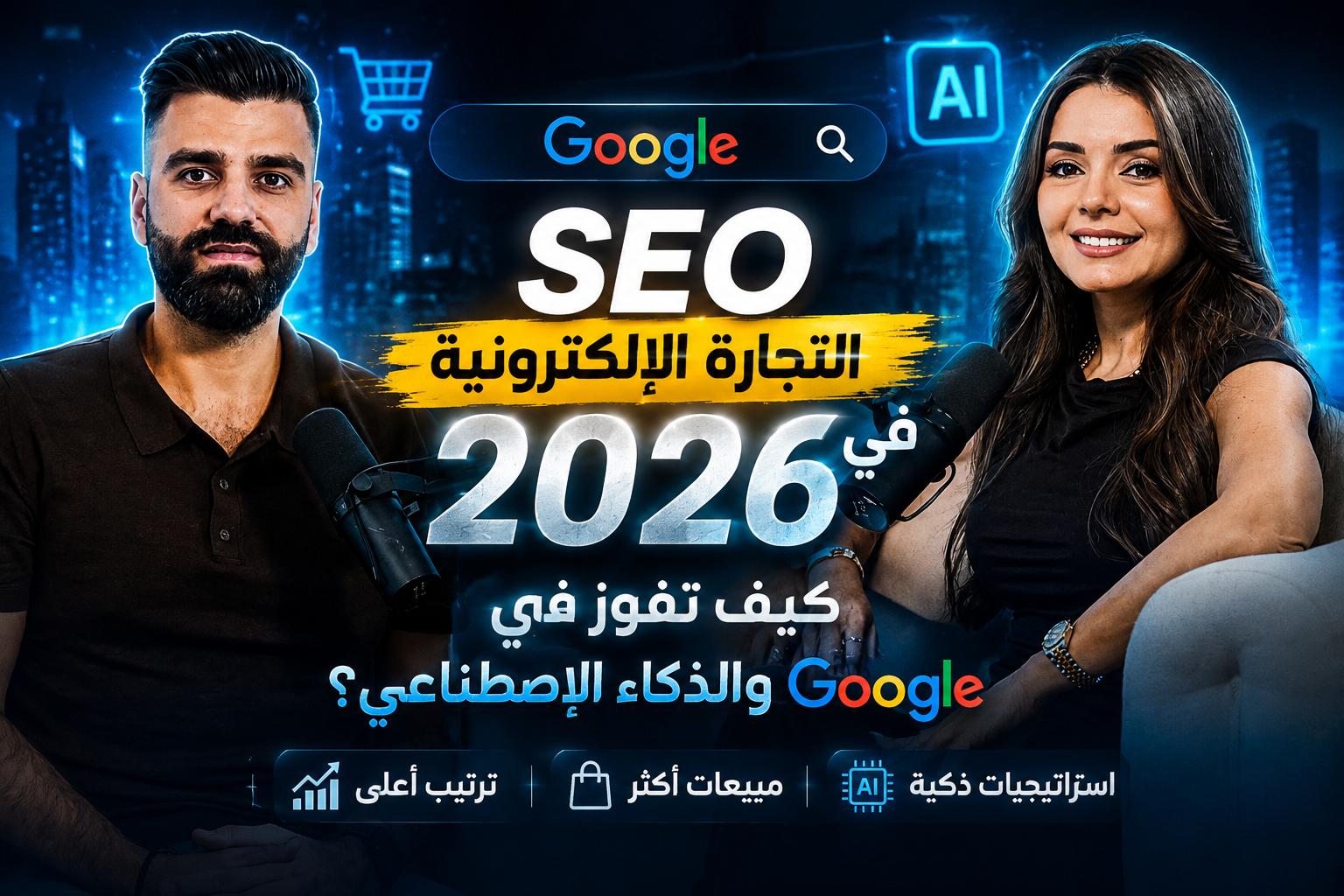
SEO helps your website appear organically in search engines like Google.
Instead of paying for every visitor, you build long-term visibility.
Paid search delivers immediate visibility.
You pay to appear for relevant searches, making it ideal for businesses that need results quickly.
GEO focuses on helping your brand appear inside AI-generated answers.
Instead of only ranking in Google’s search results, GEO helps your business become part of responses generated by tools such as:
As AI search continues growing, GEO is becoming an increasingly important part of every digital strategy.
Email remains one of the highest-return marketing channels available.
Businesses can use email to:
Despite being one of the oldest digital marketing channels, email marketing continues to deliver exceptional ROI.
Influencer marketing allows brands to reach audiences through trusted creators.
However, success isn’t determined by follower count alone.
A creator with 10,000 highly relevant followers may outperform another with one million followers whose audience isn’t interested in your products.
The real question is:
Are their followers your potential customers?
Referral marketing encourages satisfied customers to recommend your business to others.
Word-of-mouth remains one of the strongest forms of marketing because trust already exists between the people making and receiving the recommendation.
Platforms such as Instagram and Facebook also allow businesses to run paid advertising campaigns that can quickly generate visibility and traffic.
This is one of the most common questions new business owners ask.
The answer depends on two things:
Start with:
These channels require more consistency than large budgets.
Start with paid advertising.
Ads provide immediate visibility and help you collect valuable data about:
However, regardless of your budget, every business should invest in SEO and GEO from the start.
These channels become stronger over time and continue delivering results long after paid campaigns end.
Many people hear these terms together but aren’t sure how they differ.
SEO stands for Search Engine Optimization.
Its purpose is to help your website appear in traditional Google search results.
For example, if someone searches:
Best burger restaurant in Riyadh
SEO helps your website appear in those search listings.
GEO stands for Generative Engine Optimization.
Instead of appearing only in search results, GEO helps your business appear inside AI-generated answers.
For example, if someone asks ChatGPT:
What’s the best burger restaurant in Riyadh?
A GEO strategy increases the chances that your business is mentioned within the AI’s answer.
The key difference is simple:
Many businesses believe that having an active Instagram account is sufficient.
It isn’t.
There are two very different audiences online.
These people discover content while scrolling social media.
They may become interested in your business.
These people actively search because they already need something.
Their purchase intent is significantly higher.
Someone searching:
Best photography studio in Dubai
is far more likely to become a customer than someone casually scrolling Instagram.
SEO and GEO allow you to capture this demand precisely when people are ready to make a decision.
SEO is built on several layers.
Everything begins with understanding what people search for.
These search queries guide your content strategy.
You create pages that answer those searches.
Examples include:
Technical optimization includes:
These improvements help search engines understand and trust your website.
GEO builds on everything SEO already requires.
It doesn’t replace SEO.
It adds another layer.
GEO focuses more heavily on:
In other words:
Everything GEO needs begins with strong SEO.
One of the most common questions businesses ask is:
How long before I see results?
For SEO, meaningful results often begin appearing after three to six months, depending on the market and competition.
GEO can sometimes produce earlier visibility, particularly when highly specialized content fills information gaps that AI systems are looking for.
However, neither channel is instant.
Success comes through consistency.
An article you publish today can continue generating visibility, traffic, and AI citations for years.
If you’re launching a new online store or business, your marketing priorities should evolve over time.
Use paid advertising to:
At the same time:
After several months:
At this stage, businesses should also begin investing in:
Influencer marketing can be highly effective—but only when the audience is relevant.
Follower count alone means very little.
Instead, ask:
A smaller, highly targeted audience often outperforms a massive but unrelated one.
Many business owners believe there is one perfect marketing channel.
There isn’t.
Marketing isn’t about choosing the “best” tool.
It’s about using the right tool at the right time.
Paid advertising creates quick wins.
Social media builds awareness and community.
SEO builds long-term visibility on search engines.
GEO increases your visibility inside AI-generated answers.
Together, these channels create a sustainable growth strategy.
There is no such thing as “bad marketing.”
There is only marketing used at the wrong stage of a business.
If you’re starting today:
The businesses that succeed aren’t always the ones with the biggest budgets.
They’re the ones that keep showing up, keep improving, and keep investing in long-term visibility.
Marketing isn’t about overnight success.
It’s about building systems that continue to work for your business long after today’s campaign ends.
Podcast
Ready to grow with intention and performance in mind
We design solutions that move you forward, and deliver measurable impact.