The Biggest SEO & AI Search Updates in Q1 2026 (January–March)

SEO & AI Search Updates in Q1 2026

The first quarter of 2026 marked a turning point for SEO.

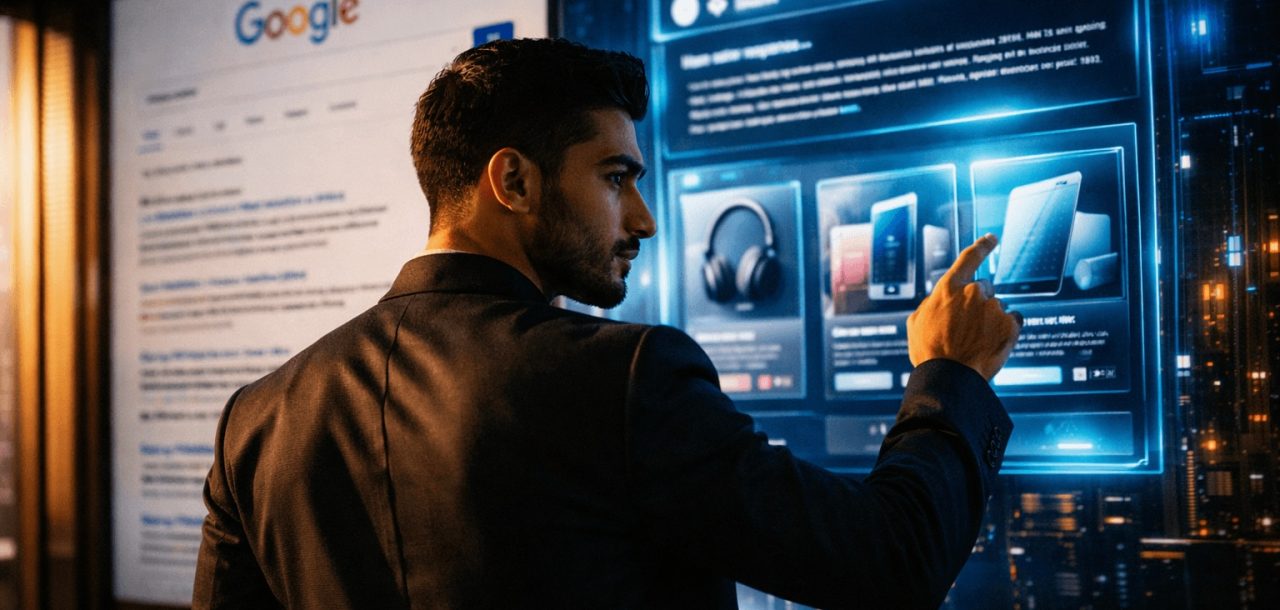
What we’re seeing now isn’t just incremental change, it’s a structural shift. Search is no longer limited to blue links. Instead, visibility is being distributed across traditional rankings, Discover feeds, AI-generated answers, and even agent-driven commerce experiences.

In this article, we break down the most important SEO and AI search updates from January, February, and March 2026, and what they mean for your strategy going forward.

January 2026: The Rise of Agentic Commerce & Post-Core Update Analysis

Aftermath of the December 2025 Core Update

January didn’t bring a new confirmed Google core update, but it didn’t need to.

Most of the industry’s attention was focused on analyzing the impact of the December 2025 core update, which officially finished rolling out at the end of December.

Early insights showed:

  • Strong volatility in the YMYL sectors
  • Continued pressure on thin or low-authority content
  • Mixed performance across e-commerce and news publishers

For many SEO teams, January became a month of diagnosis, recovery, and recalibration.

Google Introduces Universal Commerce Protocol (UCP)

One of the most important announcements of the quarter came on January 11: Google introduced the Universal Commerce Protocol (UCP).

This open standard is designed to power agentic commerce, allowing AI systems (like Gemini and Google AI Mode) to:

  • Discover products
  • Evaluate options
  • Complete transactions

All without relying on traditional web navigation.

Why this matters for SEO:

SEO is no longer just about ranking product pages. It’s about:

  • Structured product data
  • Feed completeness
  • Machine-readable commerce signals

In other words, your product data is now part of your SEO strategy.

AI Search Visibility ≠ Traditional Rankings

Another key insight from January: ranking well in Google does not guarantee visibility in AI assistants.

Industry research showed that:

  • AI assistants recommend only a small percentage of businesses
  • Visibility varies significantly across platforms (Google vs ChatGPT vs others)

This reinforces a major shift:

SEO is no longer one ecosystem; it’s multiple discovery systems.

February 2026: Discover Gets Its Own Core Update & AI Measurement Arrives

Google’s First-Ever Discover Core Update

On February 5, Google launched something entirely new: a Discover-specific core update.

This update focused on improving content quality in Google Discover by prioritizing:

  • Local relevance
  • Original reporting and expertise
  • Timely, in-depth content
  • Reduced clickbait and sensationalism

The rollout was completed on February 27.

What Changed in Practice?

Post-update analysis suggests:

  • Increased regional personalization
  • Stronger performance for niche and expert publishers
  • Reduced visibility for generic or engagement-bait content

Key takeaway:

Discover is no longer a bonus traffic source; it’s a separate algorithmic ecosystem.

Bing Launches AI Performance Reporting

Microsoft introduced AI Performance in Bing Webmaster Tools, giving site owners visibility into how their content appears in AI-generated experiences, such as Copilot.

This includes:

  • Citation frequency
  • Queries that trigger AI mentions
  • Page-level contribution to AI answers

This is one of the clearest signs yet that “AI visibility” is now a measurable SEO metric.

The Rise of AI-Friendly Web Infrastructure

February also introduced major technical changes to help AI agents interact with the web more effectively.

Key developments:

  • WebMCP (Google): A protocol for structured agent–website interaction
  • Markdown for Agents (Cloudflare): A push toward cleaner, more AI-readable content formats

These changes signal a shift from:

“How do we rank?” → “How do we get parsed, understood, and used by AI systems?”

Google Improves Link Visibility in AI Overviews

Google updated AI Overviews to make source links more visible and interactive.

This includes:

  • Hover-based previews (desktop)
  • Clearer attribution
  • More prominent linking structures

This is a direct response to concerns that AI answers reduce publisher traffic.

What You Should Do Now About Google's Updates

March 2026: Core Updates, Spam Updates & AI Expansion

Google March 2026 Spam Update + Core Update

March was the most active month for traditional SEO.

Timeline:

  • March 24–25: Spam update rollout
  • March 27 onward: Core update rollout (ongoing into early April)

These updates impacted:

  • Low-quality and spam-heavy content
  • Sites with weak authority signals
  • Potentially over-optimized or AI-generated content at scale

AI Overviews Continue to Expand

AI Overviews continued expanding across industries, taking up more SERP real estate.

Industry studies suggest:

  • Increased presence across commercial and informational queries
  • Shifts in click distribution away from traditional listings

Even if exact numbers vary, the direction is clear:

AI answers are becoming a primary entry point to information.

Google Tests AI-Generated Title Rewrites

Google confirmed that it is testing AI-generated title rewrites in search results.

While Google has rewritten titles for years, AI introduces:

  • More dynamic query-based adjustments
  • Greater variability in how titles appear

Implication:

Title tags are now guidance signals, not guarantees.

Publisher Controls for AI Search (Coming Soon)

Google also signaled that new controls are being developed to allow publishers to:

  • Opt out of AI-generated features
  • Maintain visibility in traditional search

Details are still emerging, but this could significantly impact how publishers manage:

  • Content usage
  • Attribution
  • Traffic trade-offs

Agentic Commerce Goes Live

March may ultimately be remembered as the moment AI commerce became real.

Platforms like Shopify announced integrations enabling merchants to sell directly through:

  • ChatGPT
  • Microsoft Copilot
  • Google AI Mode
  • Gemini

This means:

  • AI can complete transactions, not just recommend products
  • SEO now overlaps with conversion infrastructure

The Big Shift: SEO Is Now Multi-Surface Optimization

Across Q1 2026, one theme is unmistakable:

SEO is no longer just about ranking in Google Search.

Today, visibility spans four key surfaces:

  1. Traditional search rankings
  2. Google Discover
  3. AI-generated answers (citations)
  4. Agentic commerce ecosystems

Each has:

  • Different algorithms
  • Different optimization levers
  • Different success metrics

What You Should Do Now

To stay competitive, SEO strategies need to evolve quickly.

1. Segment Your Performance Data

Track separately:

  • Search vs Discover vs AI citations
  • Do not treat them as one channel

2. Optimize for AI Retrieval, Not Just Rankings

Focus on:

  • Clear, structured content
  • Entity-level authority
  • Concise, factual answers

3. Strengthen Topical Authority

AI systems favor:

  • Subject-matter expertise
  • Consistent coverage depth
  • Trusted sources

4. Prepare for Agentic Commerce

Especially for e-commerce:

  • Improve structured product data
  • Ensure feed completeness
  • Enable machine-readable inventory and pricing

5. Expect Less Control Over SERP Presentation

With AI:

  • Titles may change
  • Content may be summarized
  • Click behavior may shift

Your strategy should adapt accordingly.

Final Thoughts

Q1 2026 didn’t just introduce new features; it redefined what “search visibility” means.

The future of SEO is not just about being ranked.

It’s about being:

  • Selected by AI
  • Cited in answers
  • Distributed across feeds
  • Ready for action by agents

The sooner your strategy reflects that, the more competitive you’ll be in the next phase of search.

Blogs

Read more Blogs

Ready to grow with intention and performance in mind

We design solutions that move you forward, and deliver measurable impact.