AI Assistants Are the New Search Engines: How to Make Your Brand Discoverable?

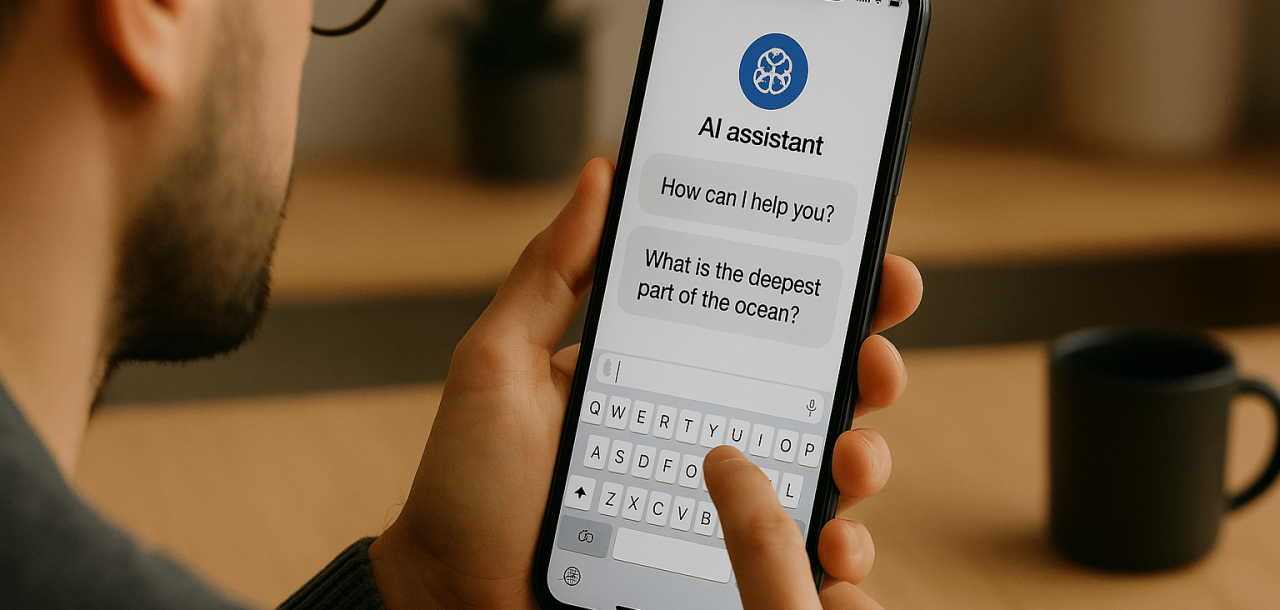
ai assistant

ChatGPT, Perplexity, Bing Copilot, Gemini… these tools are quietly becoming the new search engines for millions of users.

According to Accenture’s Technology Vision 2024, people are increasingly turning to AI-powered assistants and conversational interfaces for answers, transforming how we search, learn, and make decisions online.

So the question is: is your brand discoverable there?

Unlike traditional SEO, where the goal was to rank first on Google, the new challenge is to be included in the AI’s answer, even if you’re not the top link. These AI systems pull from a mix of web data, citations, and knowledge graphs, prioritizing information that is accurate, well-structured, and trusted.

How AI Assistants Gather Information

AI assistants like ChatGPT, Perplexity, and Bing Copilot rely on several layers of data:

  • Pre-trained web content: Models are trained on large text datasets, including publicly available web pages, books, and structured data.
  • Live web search & scraping: Tools like Perplexity and Bing Copilot actively crawl or query search APIs for recent information.
  • Knowledge graphs & entity data: Google Knowledge Graph, Wikidata, Wikipedia, Crunchbase, and other structured sources help AI understand who and what your brand is.
  • Citations & credibility signals: When AI assistants cite or reference, they often prefer high-authority, verifiable sources.

Your goal: help the AI “understand” your brand as a credible entity worth citing.

ai assistant

Practical Ways to Get Your Brand Cited by AI

1. Publish Fact-Based, Sourceable Content

AI assistants tend to cite content that reads like a reference, not a sales pitch. Focus on:

  • Lists and guides: “10 Steps to Improve App Store Visibility”
  • How-to or process content: Step-by-step explainers
  • Data-driven content: Stats, studies, and reports (always include your sources)
  • Case studies: Real examples and measurable outcomes

Tip: Use structured formatting (H2/H3, tables, bullets) and schema markup (Article, FAQPage, HowTo) to help AI parse your content correctly.

2. Strengthen Your Brand’s Digital Identity (Entity SEO)

AI assistants depend on entities, not just keywords. Strengthening your online entity increases your chance of being recognized.
Steps to take:

  • Add your company to Wikidata and ensure consistent facts (founded year, founders, location, etc.)
  • Claim or verify your Google Knowledge Panel.
  • Use consistent NAP (Name, Address, Phone) data across your website, LinkedIn, and directories.
  • Add Organization schema and link to your social profiles (sameAs property).
  • Ensure your About page clearly defines who you are, what you do, and why you’re credible.

Advanced: Submit your brand to Crunchbase, Product Hunt, and industry databases, which often feed into AI knowledge graphs.

3. Earn Mentions on Trusted Domains

AI assistants assign more weight to high-authority sources.

Try to appear (or get mentioned) on:

  • Wikipedia and Forbes-style domains
  • Industry blogs, Medium, or trade publications
  • Digital PR placements on trusted outlets
  • Podcasts and interviews (AI tools can parse transcripts)

Building brand mentions, not just backlinks, increases your chances of being surfaced as a trusted answer.

Bonus: Test Where You Stand

Ask ChatGPT or Perplexity questions in your niche:

See which companies the AI cites or links to.

If your brand isn’t mentioned, you’ve identified a visibility gap and your next SEO opportunity.

Additional Tips to Future-Proof Your Brand

4. Optimize for Multilingual and Local AI Discovery

If you target Arabic-speaking or MENA audiences:

  • Publish bilingual content (Arabic + English)
  • Use Arabic schema properties where relevant (inLanguage: “ar”)
  • Localize your Wikidata entry and Knowledge Panel data.
  • Make sure regional news sites and directories reference you in both languages.

AI assistants increasingly draw on local web data, especially for region-specific answers.

5. Track AI Visibility and Mentions

There’s no “AI Assistant Analytics” dashboard yet, but you can still track signals:

  • Run brand-related queries on ChatGPT, Perplexity, and Gemini monthly
  • Use Ahrefs/SEMrush brand mentions tracking for citations
  • Monitor Knowledge Graph updates via Kalicube or Entity Explorer
  • Track traffic from referring AI platforms (some tools now tag source=perplexity)

Challenges to Keep in Mind

  • AI hallucinations: Even structured data can be misrepresented, making information inaccurate and out-of-date.
  • Data cut-off: Some models (like ChatGPT 4) may not have access to the latest content unless browsing is enabled.
  • Lack of attribution: Not all AI systems show citations, so focus on being included more than being credited.
  • Copyright & brand safety: Monitor where and how your brand is referenced to avoid misinformation.

Visibility in the era of AI search isn’t about chasing rankings, it’s about earning trust as a credible source that intelligent systems recognize and cite.

Brands that invest today in entity-driven SEO, structured content, and digital PR will be the ones tomorrow’s AI assistants choose to recommend.

Blogs

Read more Blogs

Ready to grow with intention and performance in mind

We design solutions that move you forward, and deliver measurable impact.