Keyword Research vs. Search Intent: Why Intent Wins
Keyword Research vs. Search Intent: Why Intent Wins SEO doesn’t work the way it used to. A few years ago,

2025 was one of the most transformative years in search history. AI shifted from a helpful feature to the core layer of how search works, influencing how users discover information, how results are ranked, and how brands gain visibility online.
This article breaks down the most essential SEO updates of 2025, explains their direct impact, and provides clear action steps you can take to stay visible in both traditional search and AI-powered search experiences.
For the first time, search engines – especially Google – began ranking and presenting information through AI-generated overviews, contextual reasoning, multimodal understanding, and conversational modes. Organic traffic patterns changed, click-through rates shifted, and content requirements evolved rapidly.
To succeed in 2026, SEO leaders must understand what changed, why it changed, and how to build content that remains discoverable across Google, AI Overviews, Gemini, ChatGPT, Perplexity, and emerging answer engines.
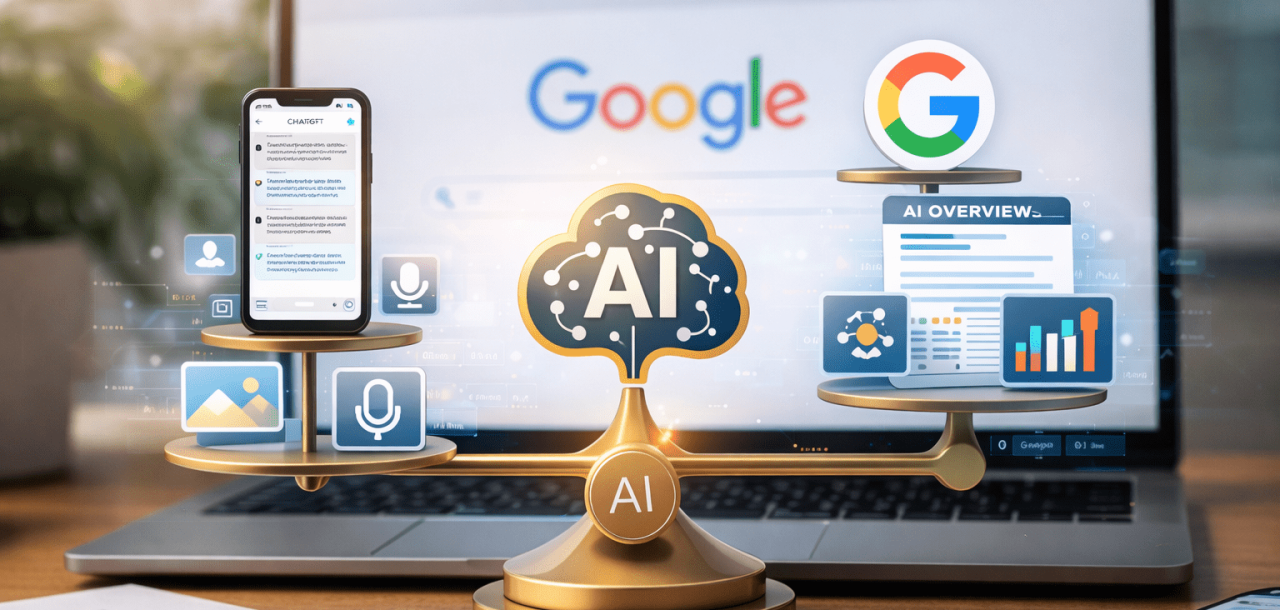
Google expanded AI Overviews to a larger percentage of queries and launched AI Mode, a conversational search experience designed to answer questions with context, reasoning, and citations.
AI Mode combines:
This shifted search from “type → result” to a structured, natural conversation where Google acts as an answer engine.
Instead of two or three major updates per year, 2025 introduced continuous core updates, with Google confirming that more minor rolling updates would happen weekly and that major updates would be released every few months.
Google refined its approach to evaluating AI content. The issue wasn’t AI itself; it was low-depth, generic, or duplicated content that lacked insight or originality.
With the rollout of Search Live, advanced Google Lens capabilities, and Gemini integration, Google shifted massively toward multimodal search.
Users now search by:
AI systems interpret meaning, not just keywords.
AI Overviews, answer cards, featured snippets, definitions, and knowledge panels became more dominant across Google’s global markets.
Google emphasized INP (Interaction to Next Paint) as a key user experience metric, expanded its crawling logic, and prioritized mobile-first speed optimization.
2026 will reward websites that:
SEO is evolving into a discipline focused not only on ranking but also on achieving visibility within AI-powered answers.
Brands that adapt early will dominate search and AI ecosystems, regardless of how SERPs continue to change.
2025 redefined SEO. It forced every marketer, publisher, and brand to rethink how content is created, structured, and evaluated. The future belongs to those who can deliver clarity, expertise, depth, context, and multimodal optimization, all wrapped into a user-first experience.
Wetaktik will continue to monitor updates, test real-world impact, and build frameworks that help brands stay visible in an AI-first world.
Blogs

Keyword Research vs. Search Intent: Why Intent Wins SEO doesn’t work the way it used to. A few years ago,

AI SEO Tools: What Every SEO Marketer Should Use in 2026 The Game Changed. Did Your Strategy? A few years
Ready to grow with intention and performance in mind
We design solutions that move you forward, and deliver measurable impact.